Event Furniture Selection
Choosing furniture for events is about more than filling a room with chairs and tables. The right event furniture selection shapes how guests move, mingle, relax, dine, network, and remember the occasion. From practical event seating options to statement event decor furniture, each choice should support the purpose, mood, and flow of the experience.
Ability Furniture Hire helps clients build event environments that feel intentional rather than improvised. With flexible event furniture hire options, organisers can tailor layouts, styles, and quantities to suit anything from a polished corporate function to a relaxed celebration or high-impact brand activation.
Why does event furniture selection matter?
Event furniture selection matters because furniture directly affects both ambiance and functionality. A beautiful venue can feel awkward if guests have nowhere comfortable to sit, gather, or place drinks, while a simple space can feel elevated with the right lounge pieces, dining settings, bars, stools, and decor accents. Furniture quietly guides the event: it creates social zones, supports the schedule, reinforces the theme, and helps guests feel considered from the moment they arrive.
Think of furniture as the physical framework of the event experience. Seating encourages conversation or focus. Tables influence dining style, networking, and service flow. Feature pieces can create photo moments, VIP spaces, product display areas, or relaxed breakout zones. When furniture is chosen with care, the event feels easier to navigate and more enjoyable to attend.
Poor choices can have the opposite effect. Too few seats can make guests restless. Oversized pieces can block walkways. Furniture that clashes with the tone of the event can make the whole setup feel disconnected. That is why hiring the right furniture for events is not a finishing touch; it is a planning decision that can influence comfort, atmosphere, and overall success.
The right furniture turns a venue into an experience
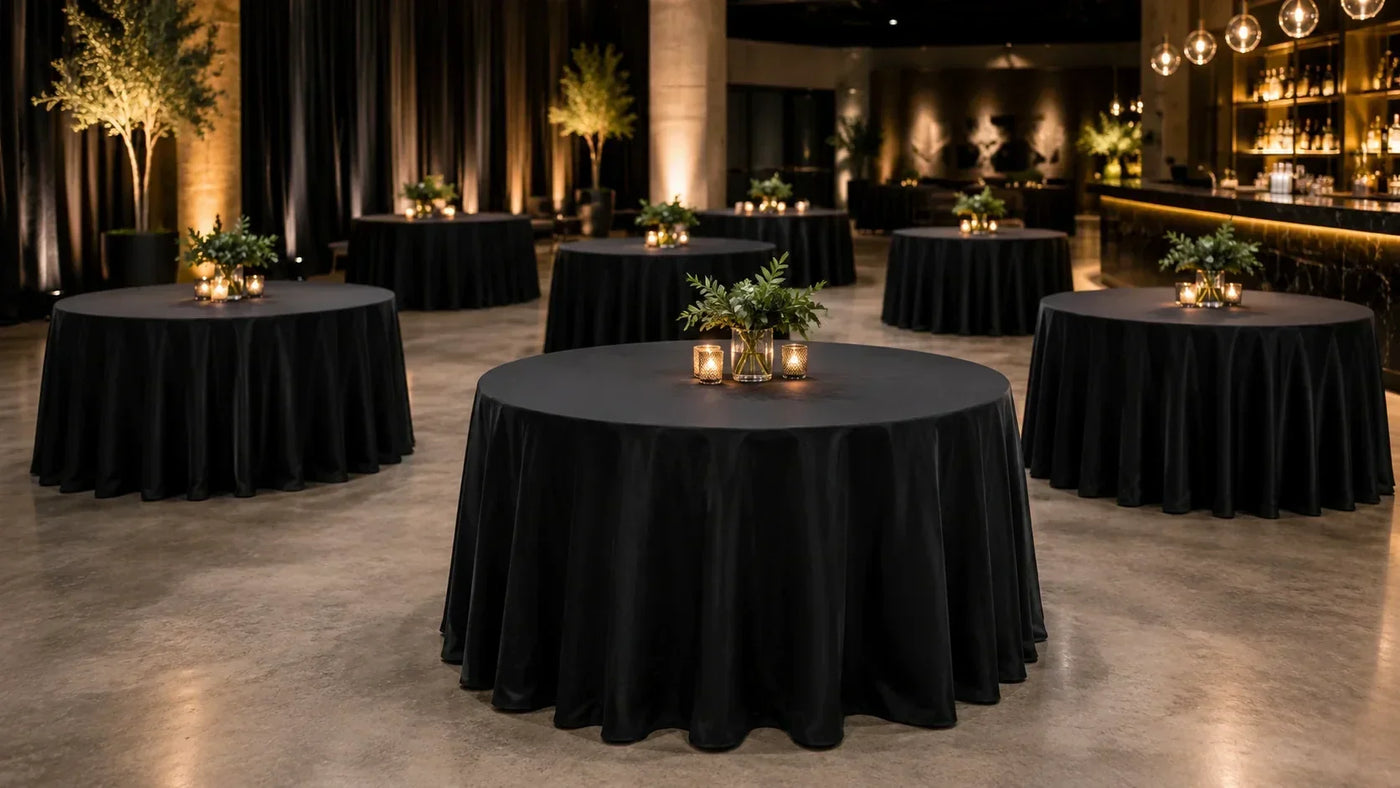
A venue provides the shell, but furniture gives it purpose. A blank hall becomes a gala dinner through elegant dining tables, coordinated chairs, bars, and soft lounge corners. A corporate space becomes more welcoming when guests can move between presentation seating, casual meeting areas, and refreshment zones. An outdoor event becomes more usable when seating, shade-friendly layouts, and durable pieces are planned around the way people will actually gather.
This is where event decor furniture becomes especially valuable. Decorative pieces are not only there to look good; they help define the personality of the event. A sleek modular lounge may communicate modern professionalism. Timber textures can make a setting feel warm and natural. Statement bars, ottomans, plinths, and occasional tables can add polish while still serving a practical role.
Strong event setup ideas usually begin with the guest journey. Where will people enter? Where will they pause first? Will they need to queue, sit, dine, listen, network, dance, or move between spaces? Furniture answers these questions in a physical way, so the layout should be designed around behaviour, not just appearance.
Start with the purpose of the event
Before choosing individual items, clarify what the furniture needs to achieve. A product launch, awards dinner, wedding reception, conference, exhibition stand, festival lounge, and private party all have different requirements. The best furniture for events supports the format instead of fighting it.
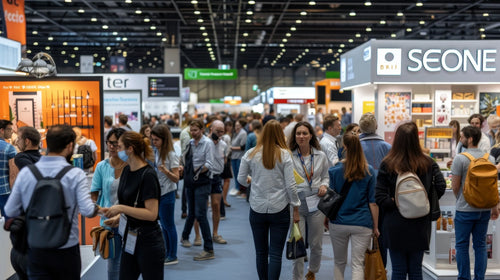
For example, a networking event may need high bars, stools, and scattered cocktail tables so guests can stand, talk, and move easily. A panel discussion needs structured seating with clear sightlines. A luxury celebration may call for layered lounge furniture, coffee tables, dining pieces, and decorative accents that create comfort and visual cohesion.
A useful planning checklist includes:
- Guest count: Estimate how many people need seats at one time, not just total attendance.
- Event style: Decide whether the mood should be formal, relaxed, premium, playful, minimal, or highly branded.
- Venue layout: Measure entrances, walkways, service areas, staging, dance floors, and access points.
- Event schedule: Match furniture to each phase, such as arrival drinks, dining, speeches, entertainment, and after-party mingling.
- Guest comfort: Consider seat height, table placement, spacing, accessibility, and the length of time guests will remain in one area.
- Visual impact: Choose pieces that complement lighting, florals, signage, backdrops, and other styling elements.
Starting with these basics prevents last-minute compromises. It also helps your hire provider recommend options that fit your brief, rather than selecting furniture based only on what looks appealing in isolation.
How do event seating options shape guest behaviour?
Event seating options shape guest behaviour by influencing whether people settle in, circulate, interact, or focus on a central activity. Rows of chairs encourage attention toward a stage or speaker. Lounge groupings invite informal conversation. Banquet seating supports shared dining, while cocktail furniture keeps the energy moving and prevents the room from feeling static.
A successful layout often blends several seating types. Even formal events can benefit from a lounge area where guests can rest between scheduled moments. Likewise, a relaxed cocktail event may still need some lower seating for guests who prefer not to stand all evening. The key is to avoid a one-size-fits-all approach.
Common seating choices include:
- Dining chairs and tables for seated meals, awards evenings, weddings, and formal hospitality.
- Lounge suites and armchairs for VIP areas, green rooms, networking zones, and relaxed social spaces.
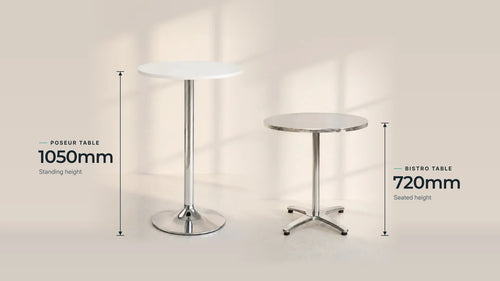
- Bar stools and high tables for cocktail functions, brand activations, trade events, and casual mingling.
- Ottomans and benches for flexible seating that can suit open-plan layouts and high-traffic areas.
- Outdoor-friendly pieces for garden parties, festivals, terraces, and open-air hospitality spaces.
The best arrangement depends on what you want guests to do. If conversation is the priority, seating clusters should face inward and allow easy access. If presentations are central, comfort and visibility matter more. If photography and social sharing are important, feature seating can become part of the event’s visual identity.
The impact of innovative design on event furniture selection
The impact of innovative design on event furniture selection is visible in the way modern events use furniture as flexible, expressive, and multi-purpose infrastructure. Furniture is no longer chosen only to match a theme; it is used to solve problems, create immersive environments, and support changing event formats.
Modular seating, for instance, can help organisers adapt a space for different stages of an event. Pieces may be arranged as intimate conversation pods, then opened up for broader mingling. Lightweight or flexible items can support fast turnarounds, especially for venues hosting multiple sessions, activations, or timed experiences.
Innovative design also encourages more memorable styling. A curved lounge, sculptural chair, illuminated bar, or distinctive coffee table can anchor a space and give guests a reason to stop, interact, and take photos. For branded events, furniture can help communicate values such as creativity, elegance, sustainability, innovation, or approachability without relying only on signage.
The best approach is not to chase novelty for its own sake. Innovative furniture should still be comfortable, safe, practical, and appropriate for the audience. When design supports both function and feeling, the event becomes more engaging without becoming overcomplicated.
Why hire instead of buying event furniture?
Hiring is often the smarter option because event needs change from one occasion to the next. Event furniture hire gives organisers access to a wider variety of styles, quantities, and configurations without the long-term cost, storage, maintenance, or transport responsibilities that come with ownership. It also makes it easier to create a tailored look for each event rather than reusing the same pieces regardless of theme or venue.
This flexibility is especially useful when guest numbers, venue types, or styling goals vary. One event may call for sleek cocktail furniture and bar stools, while the next may need dining settings, sofas, ottomans, and statement decor pieces. Hiring allows the furniture plan to follow the creative brief, rather than forcing the creative brief to fit what is already available.
Professional hire support can also reduce planning pressure. Instead of sourcing separate items from multiple places, organisers can discuss requirements, compare options, and coordinate the furniture mix more efficiently. That can make the difference between a setup that looks assembled and one that feels designed.
How Ability Furniture Hire supports flexible event planning
Ability Furniture Hire assists clients by offering flexible furniture hire options that can be adapted to different event types, layouts, guest numbers, and design preferences. Rather than treating furniture as a fixed package, the hire process can support a more tailored approach, helping organisers select pieces that suit the occasion’s purpose and atmosphere.
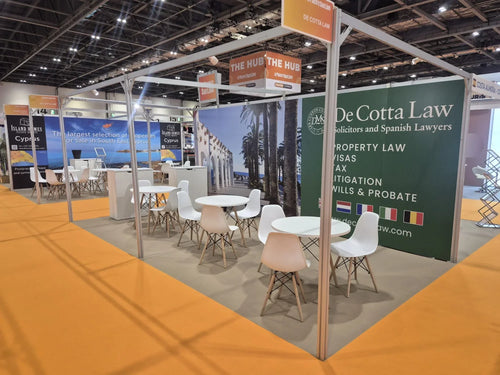
For a corporate event, that flexibility might mean combining presentation seating with breakout lounges and cocktail tables. For a celebration, it may involve pairing dining furniture with relaxed sofas, occasional tables, and decorative pieces. For an activation or exhibition, it could mean selecting furniture that supports guest engagement, product display, comfort, and brand presentation.
Ability Furniture Hire’s role is valuable because most organisers are not simply looking for furniture; they are trying to create a complete environment. Flexible options make it easier to adjust the look and function of the space, whether the goal is polished, casual, premium, contemporary, or highly social. This helps clients shape an event that feels personal to their needs rather than generic.
Working with a hire provider also allows organisers to think more strategically about combinations. Chairs, tables, lounges, stools, bars, and event decor furniture can be selected as part of one cohesive plan. The result is a setting where practical requirements and visual style support each other.
Planning an exhibition or live event?
From individual stand items to full event setup, delivery and crew support, we make it simple to create professional event spaces.
Speak to our team